You can get through a day and still not be well. Plenty of people are not sick in any obvious way, but by dinner they're spent, short on patience, and hoping nothing else gets added.
That gap matters. The difference between surviving the day and finishing it with reserve is often the first place health shows up. Life feels tighter before it looks unhealthy. And that is why health is wealth, because health gives you options.
Getting Through the Day Is Not the Same as Having Room to Spare
A person can finish work, drive home, make dinner, answer a few texts, and collapse on the couch. The list got done. That does not mean there was any capacity left.
Having margin looks different. You finish work and still have enough in the tank to help with homework, unload groceries, or take a short walk without feeling stripped down. There is some give in the day.
If your day only works when nothing goes wrong, your margin is thin.
What Margin Looks Like in Everyday Life
On a travel day, margin means you packed your bag, got to the airport, and can still handle a gate change without unraveling. During errands, it means one extra stop for a prescription or a return doesn't feel like the last straw.
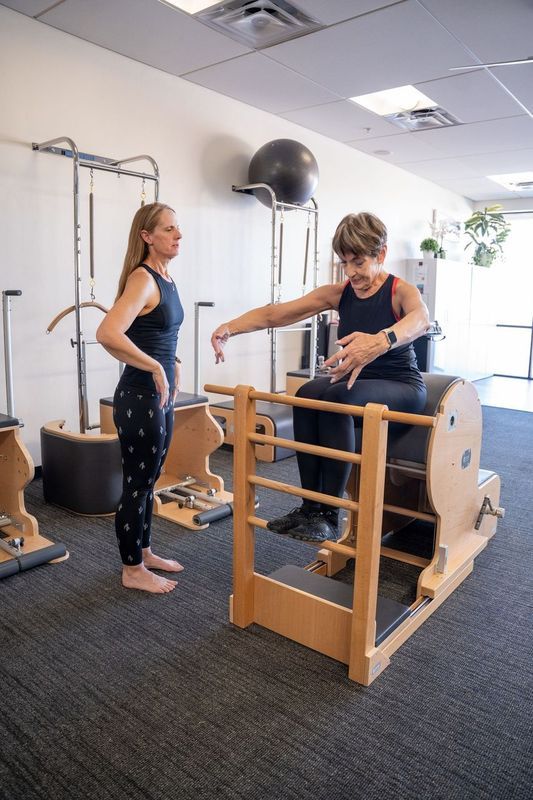
It shows up in caregiving too. If your parent needs help after your workday, or your child has a last-minute school project, reserve is what lets you adjust instead of shutting down. Thoughtful pilates studio sessions and classes can help build that kind of usable capacity, not by draining you more, but by improving how you move and recover.
Why Low Margin Feels Like a Life That Keeps Shrinking
When reserve gets low, small problems start acting big. Traffic feels personal. A long line feels unbearable. One bad night of sleep can throw off the whole next day.
Then life starts getting narrower. You skip the extra store. You cancel the dinner. You put off the visit. Nothing dramatic happened, but the range of what feels possible keeps shrinking.
People Usually Notice Lost Margin Before They Notice Lost Health
Lost health often arrives in plain clothes. People don't always say, "Something is wrong with my health." They say, "I need more coffee than I used to," or "Why does this week feel so much harder than it should?"
That's the early clue. The body and mind are still functioning, but the cost of ordinary life has gone up.
The Quiet Clues That Reserve Is Running Low
The signs are easy to miss because they sound normal. You feel worn out sooner. You get irritated faster. A busy Saturday now requires all of Sunday to recover.
Plans get canceled more often, not because you don't want to go, but because there's no room left. A late meeting at work or an evening school event feels impossible, even when it used to fit.
Why This Matters Before a Crisis Shows Up
Waiting for a crash misses the point. Health is not only about avoiding breakdown. It's also about noticing when the buffer is getting smaller.
The goal is not perfect energy every day. The goal is to catch the pattern early, while there's still enough room to rebuild some ease.
Reserve Is What Makes Recovery, Resilience, and Capacity Possible
Reserve is not useless extra. It is what allows the body to recover after effort, the mind to settle after stress, and a person to return to steady ground after a hard stretch.
Without reserve, every demand lands harder.
Why the Body Needs More Than Bare Minimum Fuel
Bodies do not adapt well on fumes. Sleep, enough food, steady movement, and real rest all help create physical reserve. When every day runs right up to the edge, recovery gets slower and strain lasts longer.
Movement matters here, but not as punishment. It helps support sleep, mood, and overall function. The point is not to do more for the sake of more. The point is to have more left after normal life.
Why Emotional Reserve Matters Too
Emotional energy is still energy. Caregiving, conflict, money worries, grief, and constant decision-making all pull from the same supply. You can feel that at the end of a week when no single problem was huge, but everything felt heavy.
When emotional reserve is low, patience goes first. Focus gets fuzzy. The small things in a household or workplace start sparking bigger reactions than they deserve. That isn't a character flaw. It's often a sign that the margin is gone.
Life Keeps Asking for More Than Expected
Real life does not follow a clean schedule. There are delayed flights, sick kids, surprise expenses, missed meals, home repairs, and workdays that spill over. Most weeks include something you didn't plan for.
That is exactly why reserve matters. Not because life should be harder, but because it often is.
Everyday Disruptions That Reveal the Need for Margin
You see it when the train is canceled and now you need a ride. Or when an ordinary appointment turns into an extra stop at the pharmacy. Or when a normal Tuesday becomes a long one because a co-worker calls out and the work lands on you.
With reserve, these are annoying. Without it, they can feel overwhelming. The event is the same. The difference is whether you had anything left to absorb it.
Why a Full Schedule Needs a Cushion
Even good days need a cushion. A full day of work, errands, family logistics, and basic chores can look manageable on paper and still feel crushing in the body.
A person with some margin can bend. They can eat later than planned, take the longer route home, or stay an extra hour at the recital. A person with no margin may get through it, but they pay for it the rest of the evening, or the next day.
Physical, Metabolic, and Emotional Margin All Matter
Reserve is not one thing. It has layers. Some of it is physical. Some of it is metabolic, which is a simple way of saying how well your body keeps energy steady. Some of it is emotional.
When one layer gets thin, the others often feel it too.
Physical Margin Helps You Keep Moving
Physical margin shows up in ordinary tasks. Carrying groceries from the car. Sitting through a long meeting without getting stiff and foggy. Walking the parking lot, standing in line, lifting laundry, getting up from the floor.
It is easy to dismiss those things because they are common. But common tasks still ask something from the body every day.
Metabolic Margin Helps Energy Stay Steady
Metabolic margin is what keeps you from crashing after a missed snack, a stressful afternoon, or a stretch between meals. It affects how steady you feel, how clearly you think, and how hard a normal day hits.
That steadiness matters. The CDC's guidance on the benefits of physical activity notes links to better sleep, mood, and thinking. Those are not side benefits. They are part of what creates more room in daily life.
Emotional Margin Helps You Stay Present With People
When emotional reserve is low, small frustrations grow teeth. The spilled drink, the slow driver, the repeated question, the extra email, all of it feels larger than it is.
When that margin is stronger, people usually have more patience and more focus. A steadier system gives you more room to stay connected.
Health Is Wealth Because Health Creates Options and Participation
Health is wealth in a simple, usable sense. It creates choices. It gives you flexibility. It lets you take part in your own life without paying for every normal activity with hours of recovery later.
That matters more than perfection. Most people are not trying to live like a spreadsheet. They want enough capacity to work, care for family, travel, enjoy friends, and keep up with the small things that make a life feel full.
Options Are Easier When the Body and Mind Have Reserve
Reserve gives you a wider range of yes. You can take the trip, help your neighbor, stay for dinner after the game, or handle the extra meeting without feeling trapped by your limits.
That doesn't mean doing everything. It means having a choice. And choice is a form of wealth most people feel long before they put words around it.
Participation Matters More Than Perfection
Perfect routines rarely survive real life. Participation does. Being able to show up, join in, stay involved, and recover well enough to do it again, that is a good measure of health.
A little more reserve changes the feel of a whole week. The work still exists. The errands still exist. The family needs still exist. But you are not at the mercy of every extra demand.
Final Thoughts
Health is not only the ability to survive a normal day. It is the ability to meet the day and still have something left for the parts of life that matter.
When reserve is there, you get more ease, more choice, and more room to participate.
Health leaves room for life.