A lot of people think success comes down to motivation.
More often, what runs out first is reserve.
Reserve is the extra capacity that helps a person handle a normal day and still have something left when life changes. It includes physical energy, emotional steadiness, and recovery capacity. When reserve gets low, even simple tasks feel heavier than they should.
That does not mean someone is lazy or undisciplined.
It often means the day has already spent more than the body and nervous system had available.
What Reserve Means in Everyday Life
Reserve is the gap between what the day asks and what remains available.
If there is enough reserve, an unexpected errand, a delayed flight, a late meeting, or a family need can be absorbed without much disruption.
If reserve is low, even one additional demand can feel overwhelming.
Reserve is the space between demand and capacity.
Many people do not notice reserve until it is gone.
They notice that ordinary tasks feel harder, patience disappears more quickly, or a normal week suddenly feels difficult to manage.
Physical Reserve Shows Up in the Body
Physical reserve is what allows a person to stand, walk, bend, lift, carry, and recover without feeling depleted.
It appears on travel days.
It appears during long workdays.
It appears when errands stretch longer than expected.
It appears when life asks for one more thing.
Sometimes the body spends too much energy on basic movement. Poor alignment, restricted breathing, stiffness, and compensation patterns can make ordinary activities cost more than they should.
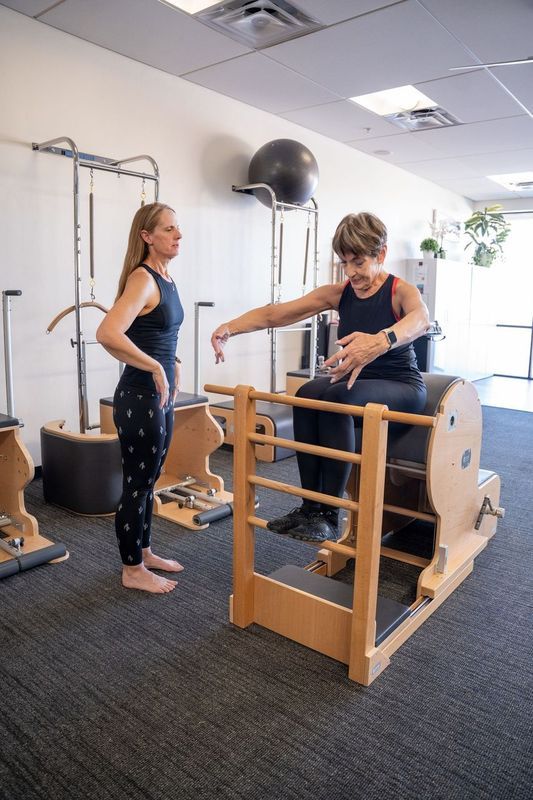
At Swan, the Body Blueprint is designed to help people see where effort is leaking and where capacity can be better supported. When movement becomes more efficient, reserve often increases without requiring more effort.
Emotional Reserve Matters Too
Emotional reserve is the ability to remain steady when life becomes demanding.
It helps people navigate:
- schedule changes
- caregiving responsibilities
- workplace pressure
- financial concerns
- unexpected disruptions
Without emotional reserve, small challenges can feel disproportionately large.
This is not a character issue.
It is often a capacity issue.
How Ordinary Life Gradually Uses Reserve
Most people do not lose reserve because of a single dramatic event.
Reserve is usually spent in small pieces.
- A poor night's sleep.
- Traffic.
- A skipped meal.
- An extra errand.
- A demanding conversation.
- A full calendar.
- A week with no time to recover.
By evening, many people appear fine while running on fumes.
Why Small Demands Add Up
The body and nervous system do not neatly separate demands into "important" and "unimportant."
They simply respond to load.
Work uses attention.
Caregiving uses emotional energy.
Travel uses physical and mental energy.
Even routine errands require decisions, movement, and adaptation.
Reserve is spent regardless of whether the demand feels significant.
When Unexpected Problems Feel Bigger Than They Are
A canceled appointment.
A flat tire.
A sick child.
A delayed flight.
When reserve is healthy, these events are inconvenient.
When reserve is depleted, they can feel overwhelming.
The event is the same.
The margin is different.
Why People Blame Themselves When Reserve Runs Low
When reserve disappears, people rarely describe it that way.
Instead they often think:
- "I need more discipline."
- "I need to try harder."
- "I need more motivation."
A capacity problem becomes a character judgment.
That misunderstanding creates unnecessary frustration.
The Problem with Comparing a Real Day to an Ideal Day
Motivation is easy to find on a day with:
- good sleep
- low stress
- plenty of time
- few interruptions
Real life rarely looks like that.
Real life includes competing demands, imperfect conditions, and unexpected changes.
Motivation rises and falls with circumstances.
Reserve determines how well a person functions when circumstances are less than ideal.
Capacity Does the Real Work
Motivation can help a person begin.
Capacity helps a person continue.
Capacity comes from:
- sleep
- recovery
- movement
- strength
- mobility
- breathing
- nourishment
- manageable stress
These are not separate from health.
They are health.
What Building Capacity Looks Like
Building capacity is not about pushing harder.
It is about increasing the amount of usable energy available for daily life.
Better movement often reduces wasted effort.
Better strength improves support.
Better mobility expands options.
Better recovery restores reserve.
The goal is not to win a workout. The goal is to have more available for the things that matter.
Why Health Is Wealth
Health creates reserve.
Reserve creates flexibility.
Flexibility creates participation.
When reserve is present, people have more room to:
- work
- travel
- care for family
- adapt to change
- recover from stress
- participate in life
Health is wealth because health creates options.
Participation Matters More Than Perfection
Most people are not trying to become perfect.
They simply want enough reserve to live well.
To show up.
To contribute.
To recover.
To remain involved in the parts of life that matter most.
Reserve supports all of those things.
A Different Way to Think About Motivation
When everything feels harder than usual, the answer is not always more motivation.
Sometimes the answer is more support.
More recovery.
More capacity.
More reserve.
Reserve changes the experience of a day.
Motivation comes and goes.
Reserve remains available when life asks for more than expected.
Health leaves room for life.