Leverage: How the Body Produces More with Less An Asset Appreciates Only with Leverage Applied

Leverage is the key to increasing an asset's value. It is the difference between working hard or smart. Working hard will always be expensive, while working smart will allow your capacity to grow while decreasing costs.
This is just as relevant to the body as it is to any other asset.
In most movement and fitness settings, effort is treated as leverage. A person will perform more reps, at higher intensities or with greater focus. While sometimes these strategies work well in the short term, they do not compound in their effectiveness; instead, they produce immediate outputs and plateau with a lot of wear and tear.
Levers Behave Differently
In the body, levers are produced through organization. Organization is achieved through proper alignment, timing, sequencing and the quality of the decisions made during the performance of movement. It is not the amount of force applied that produces leverage, rather it is the precision with which the force is applied.
The Skill of Movement is the Lever
Movement skill improves the quality of the decisions made within a movement. It eliminates wasted energy. The same body can produce more support with less strain than before, not through applying more force but through making more accurate responses to the information received from the movement.
Why Pilates is Important Here
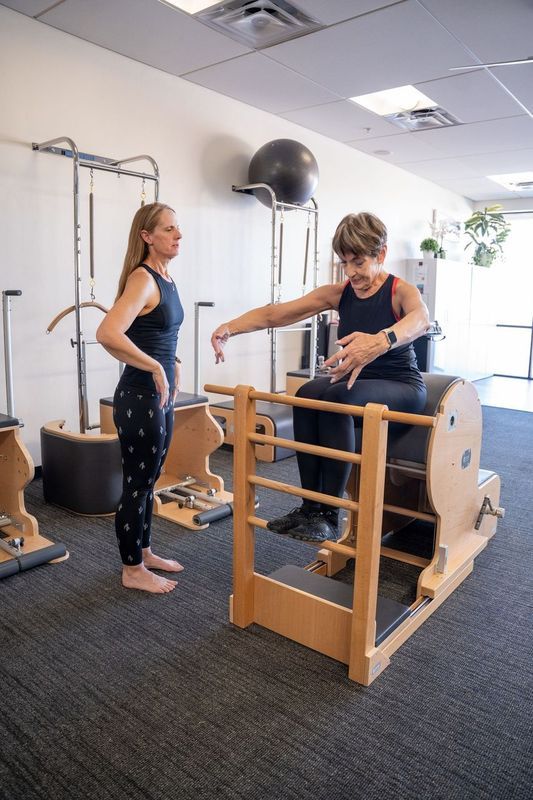
Pilates does not view movement as something to be powered through. Instead, Pilates views each movement as an opportunity to learn how the body organizes itself under stress and how slight changes in the way it is organized affects the outcomes of the movement. As skills develop, so too does the leverage of the body. The body uses less and less effort to maintain stability and mobility. In addition, the body no longer has to pay ‘interest’ on its own inefficiencies.
This is How Appreciation Becomes Cumulative
When effort is the primary strategy for producing outcomes, the body responds to this stress by bracing against it. When the primary strategy for producing outcomes is based on developing skill, the body responds to the new information by reorganizing itself. One approach consumes resources and the other creates them.
Pilates Provides a Disciplined Environment for Developing Leverage in the Body
Through precise and attentive practice, the body begins to use its experiences as opportunities to create usable information. Each decision improves the decision-making process for the next movement. Each correction makes subsequent movements even better. This is why the concept of leverage is important.